Get a quote
or email usThank you for the quote request
We will aim to get back to you as soon as possible.
Email us
or get a quoteThank you for your email
We will aim to get back to you as soon as possible.
We will aim to get back to you as soon as possible.
We will aim to get back to you as soon as possible.
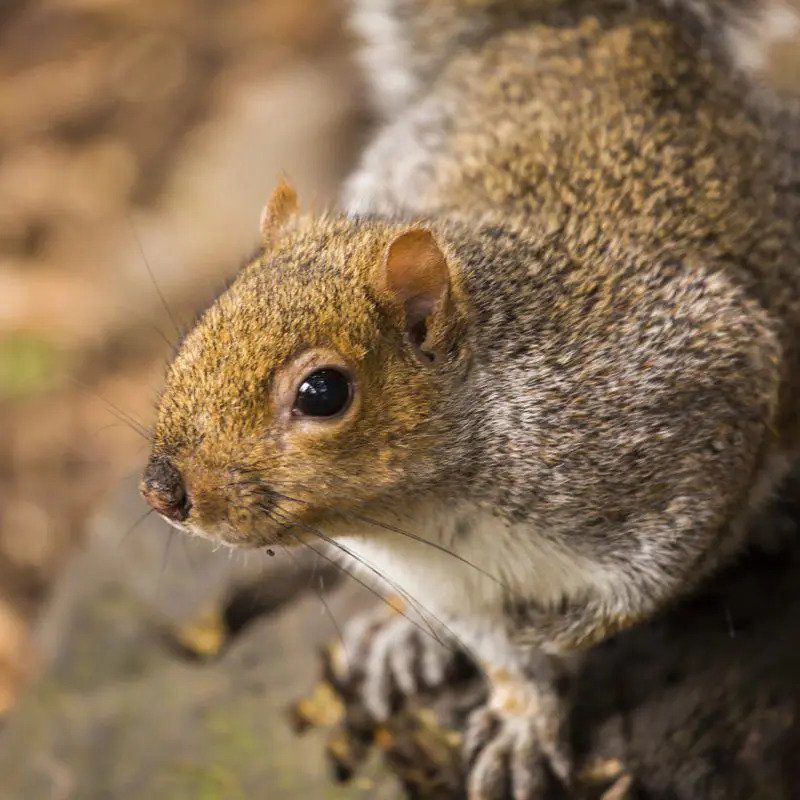
These furry creatures are known for their love of nuts, seeds, and fruits, and they can quickly decimate a garden or orchard if left unchecked. In addition to their feeding habits, squirrels can also cause damage to buildings and structures by gnawing on wood, wires, and other materials.
One of the most effective ways to deter squirrels is by installing physical barriers around gardens, orchards, and other areas that are vulnerable to damage. This can include fencing, netting, and even chicken wire.
Another effective technique for squirrel control is the use of repellents. These can include natural repellents such as peppermint oil, as well as commercial repellents that are designed to be sprayed or scattered around the affected area.
Trapping squirrels is also an option, but it should be done with caution. Squirrels are protected by law in many states, and it’s important to check local regulations before trapping them. If trapping is allowed, it’s important to use a humane trap that is designed for squirrels, and to release the animals in a safe location far away from your property.
Finally, it’s important to remember that preventing a squirrel infestation is often easier than trying to control one once it’s established. Keeping bird feeders and pet food inside, and removing potential food sources like fallen fruit from the ground, will make it less attractive for the squirrels to come to your property in the first place.